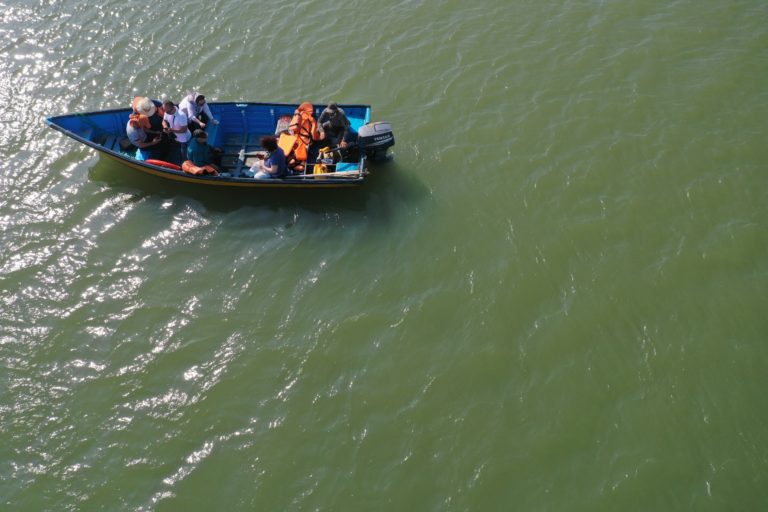
The island can be reached via Bandar Torkaman. Ashuradeh is one of the main areas for fishing sturgeon that provides caviar. Over 40% of Iran’s caviar is produced near Ashuradeh Island. Tourists are often fascinated by the fishing process.
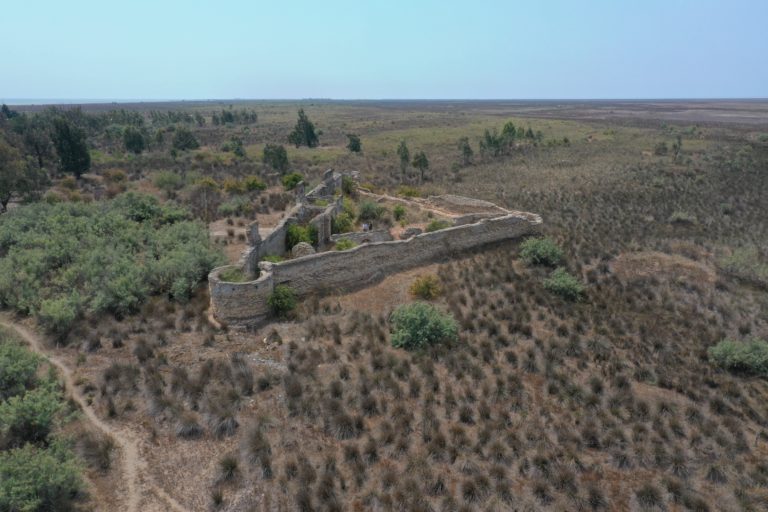
The island was occupied by Russian forces in 1837, despite protests from Persia. Following the occupation, the Russian Army maintained a military post on the island for a few decades.
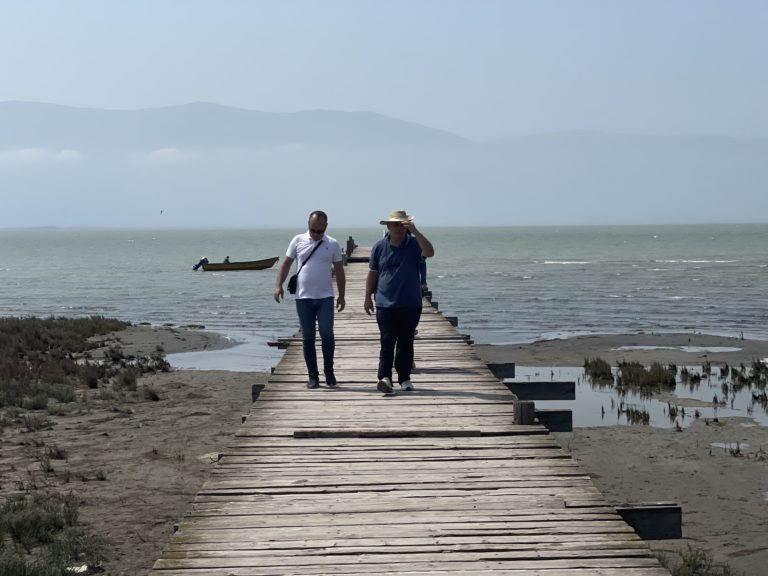
Ashuradeh is almost vacant and few people live here, but it is visited by thousands of tourists each year. Its old, wooden bridge passing through the sea has created beautiful scenery and is being photographed constantly as an important element of the island.
Ashuradeh was introduced and registered as one of the world’s first biosphere zones in 1975. As a unique spectacular part of Miankaleh Wildlife Sanctuary in northern Iran, Ashuradeh, has a great share of the country’s biodiversity.
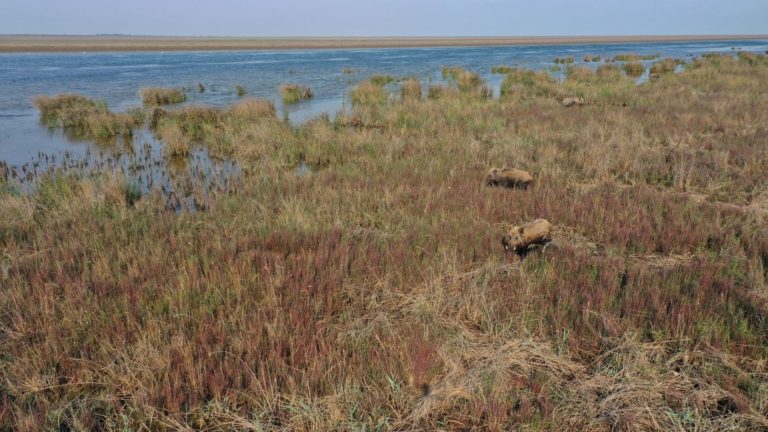
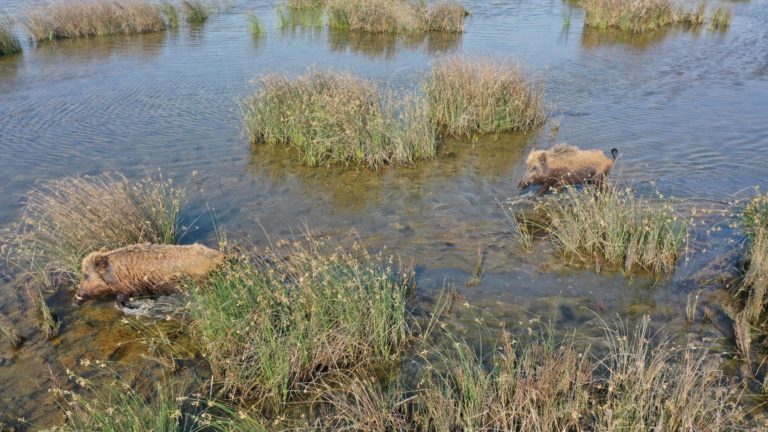
The island is covered with raspberry bushes, thorns, and pomegranate trees, and is home to wildlife species of jackals, foxes, rabbits, and hosts a variety of native and migratory birds throughout the year. Wild boar and species of wild horses which drink saltwater and have a very short lifespan also live on the island .
Due to the rich biodiversity, the region is one of the few remaining habitats of the endangered Caspian Seal, the smallest seal in the world.
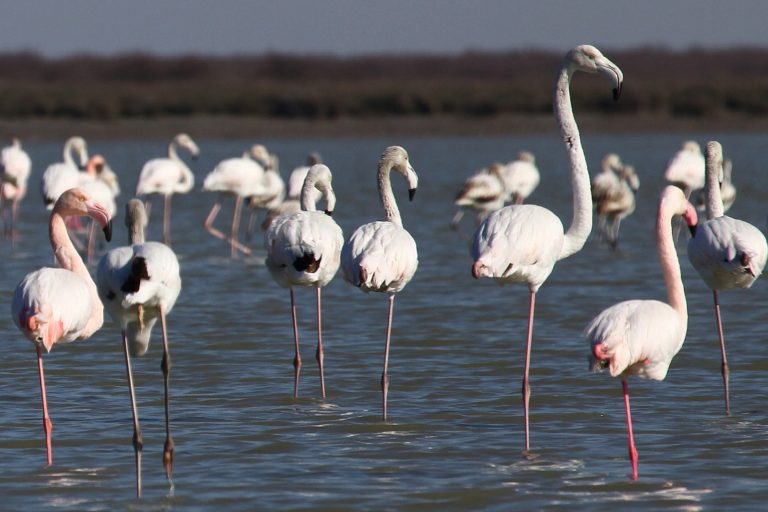
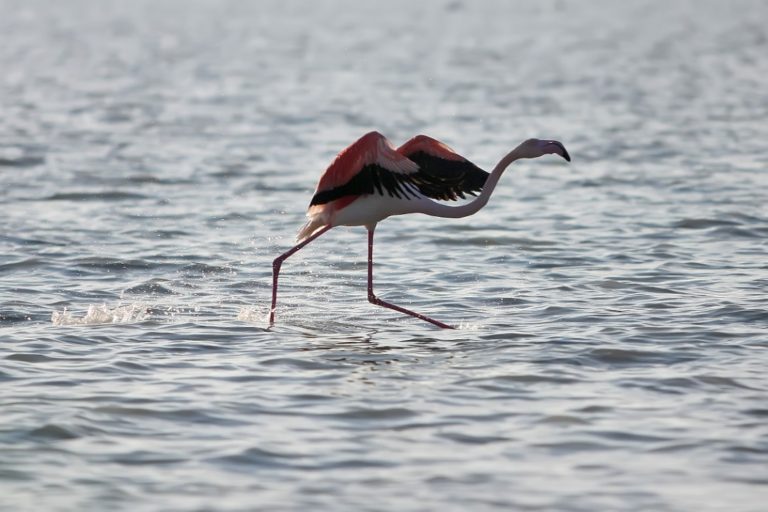
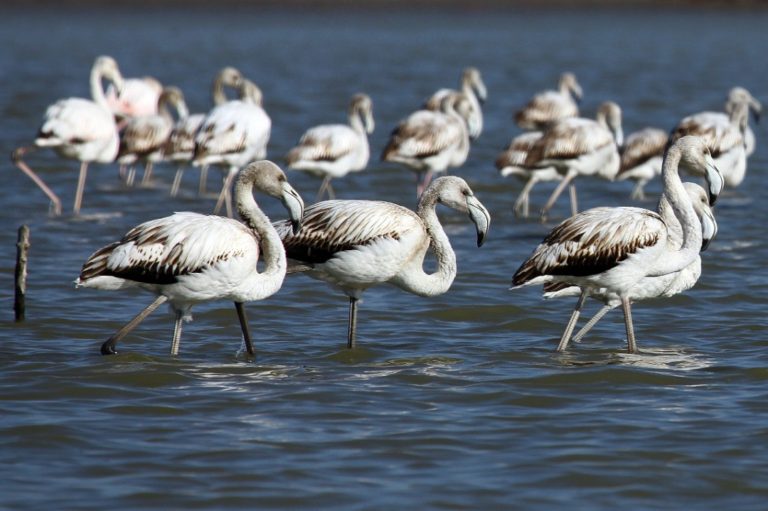
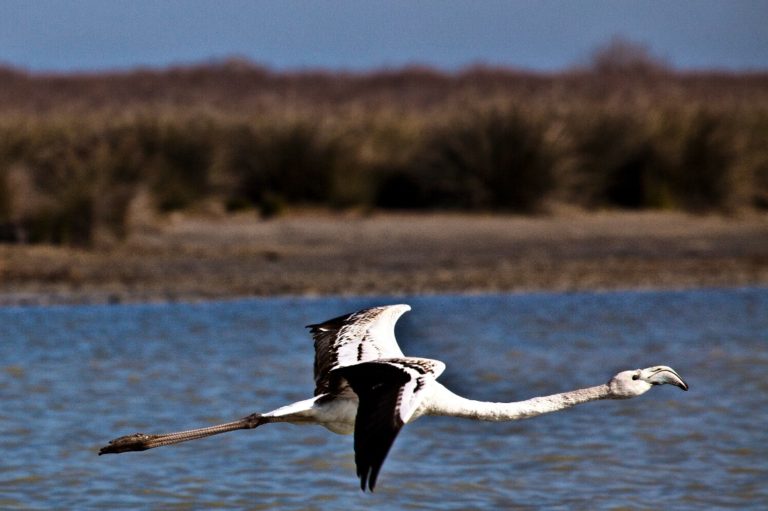
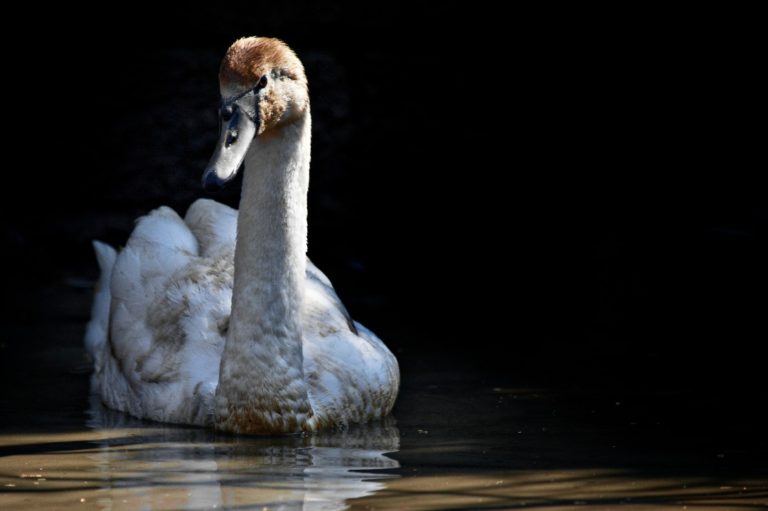
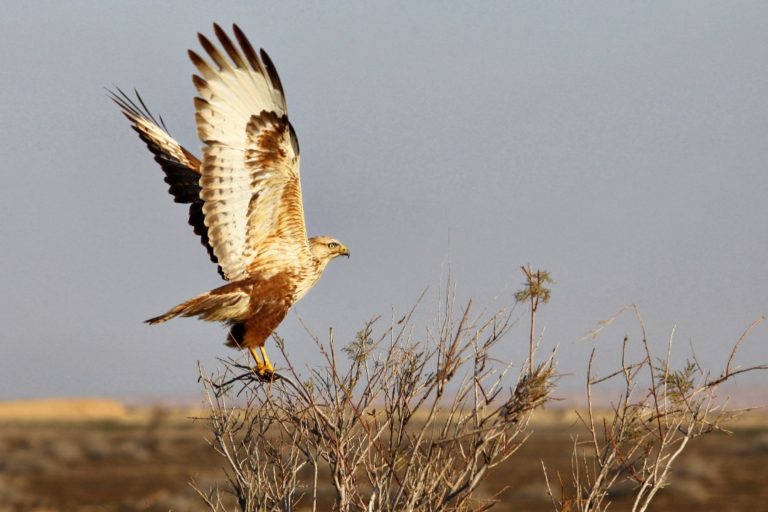
Being an impressive bird-watching destination, the island displays a variety of bird species such as otters, all kinds of fish-eating ducks, pelicans, flamingos and cormorants, common pheasants, partridges, mute swan, tundra swan, and coots.

 English
  Persian